Quick answer: Lumbini is the birthplace of Siddhartha Gautama, known as Buddha, and a UNESCO World Heritage Site in Rupandehi, Nepal. Visit the Maya Devi Temple, the Sacred Garden, the Ashoka Pillar, and the international monasteries. Most travelers spend one to two days, often staying in nearby Bhairahawa or Lumbini itself.
Why Lumbini Is Important
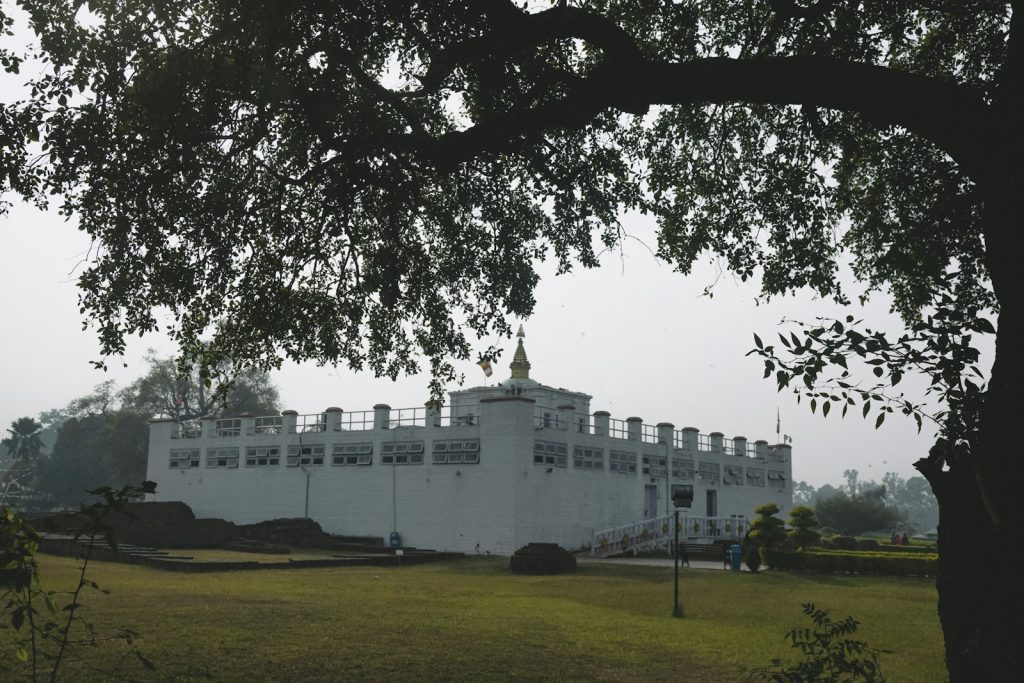
Lumbini is one of the most important Buddhist pilgrimage sites in the world. The exact birthplace of Buddha is marked inside the Maya Devi Temple, and the surrounding area is calm and reflective.
What to See
Maya Devi Temple and Sacred Garden
The temple protects the spot where Queen Maya Devi is said to have given birth. The garden around it is peaceful and well kept.
Ashoka Pillar
Emperor Ashoka erected this pillar in 249 BCE, and its inscription confirms Lumbini as Buddha birthplace. It is one of the oldest pieces of evidence on site.
The Monastery Zone
Countries including Thailand, Myanmar, China, Japan, and Sri Lanka have built monasteries here. Each reflects its own architectural style. Our things to see in Lumbini piece goes deeper.
How to Get There
Fly into Gautam Buddha International Airport near Bhairahawa, then travel the short distance to Lumbini. By road, buses and taxis connect Lumbini with Bhairahawa and Butwal. See our Bhairahawa to Lumbini trip guide.
How Long to Stay
One full day covers the main sites. Two days lets you explore more monasteries at ease. Our how many days guide helps you decide.
Best Time to Visit
The cooler months from October to March are most comfortable. Read our best time to visit Lumbini article for details.
Tips for First-Timers
Dress modestly, carry water, and start early. Our Lumbini travel tips cover the rest.
Frequently Asked Questions
Is Lumbini a religious site only for Buddhists?
No. While it is a major Buddhist pilgrimage site, many visitors come for the history, architecture, and quiet atmosphere regardless of background.
Do I need a guide in Lumbini?
A guide is optional. The site is walkable and signed, but a guide adds context you might miss on your own.